Work Environment
Camera operators, television, video, and film held about 30,300 jobs in 2020. The largest employers of camera operators, television, video, and film were as follows:
- Self-employed workers - 36%
- Motion picture and video industries - 21%
- Radio and television broadcasting - 17%
- Professional, scientific, and technical services - 5%
- Government - 3%
Film and video editors held about 33,000 jobs in 2020. The largest employers of film and video editors were as follows:
- Self-employed workers - 38%
- Motion picture and video industries - 36%
- Television broadcasting - 7%
- Professional, scientific, and technical services - 6%
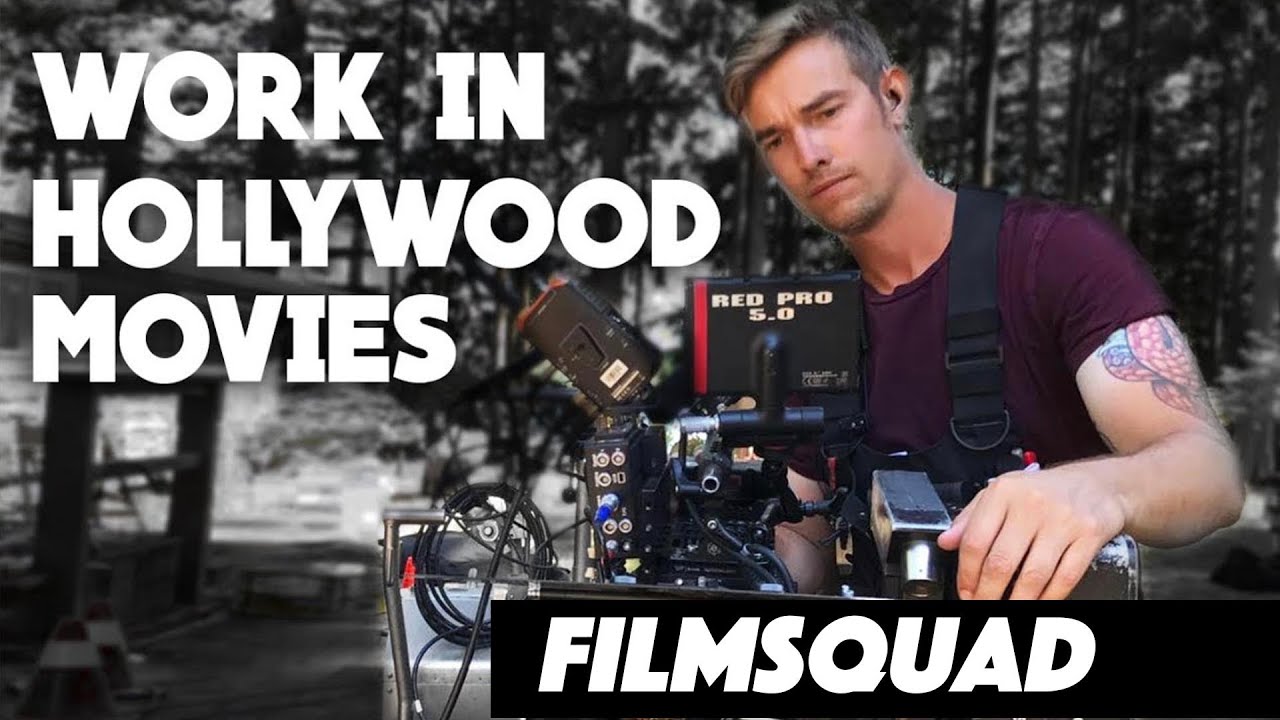
Film and video editors and camera operators typically work in studios or offices. Camera operators and videographers often shoot raw footage on location.
Film and video editors work in editing rooms by themselves, or with producers and directors, for many hours at a time. Cinematographers and operators who shoot for movies or television may film on location and be away from home for months at a time. Operators who travel usually must carry heavy equipment to their shooting locations.
Some camera operators work in uncomfortable or even dangerous conditions, such as severe weather, military conflicts, and natural disasters. They may have to stand for long periods waiting for an event to take place. They may carry heavy equipment while on shooting assignment.
Work Schedules
Most film and video editors and camera operators work full time, although part-time work is common. Work hours often vary with the type of operator or editor. Those who work in broadcasting may put in additional hours to meet a deadline. Those who work in the motion picture industry may have busy schedules while filming, but they go through a period of looking for work once a film is complete and before they are hired for their next job.
Job Outlook
Overall employment of film and video editors and camera operators is projected to grow 29 percent from 2020 to 2030, much faster than the average for all occupations.
About 8,600 openings for film and video editors and camera operators are projected each year, on average, over the decade. Many of those openings are expected to result from the need to replace workers who transfer to different occupations or exit the labor force, such as to retire.
Employment
Much of the projected employment growth in these occupations is due to recovery from the COVID-19 recession that began in 2020 and is likely to occur early in the decade as filming operations resume.
The number of online-only platforms, such as streaming services, is likely to increase, along with the number of shows produced for these platforms. This growth may lead to more work for editors and camera operators.
In broadcasting, the consolidation of roles—such as editors who determine the best angles for a shoot, the use of robotic cameras, and the increasing reliance on amateur film footage—may lead to fewer jobs for camera operators. However, more film and video editors are expected to be needed because of an increase in special effects and overall available content.
Earnings
The median annual wage for camera operators, television, video, and film was $49,230 in May 2021. The median wage is the wage at which half the workers in an occupation earned more than that amount and half earned less. The lowest 10 percent earned less than $30,160, and the highest 10 percent earned more than $101,380.
The median annual wage for film and video editors was $62,680 in May 2021. The lowest 10 percent earned less than $37,060, and the highest 10 percent earned more than $138,910.
In May 2021, the median annual wages for camera operators, television, video, and film in the top industries in which they worked were as follows:
- Motion picture and video industries - $54,500
- Government - $53,210
- Professional, scientific, and technical services - $49,700
- Radio and television broadcasting - $47,240
In May 2021, the median annual wages for film and video editors in the top industries in which they worked were as follows:
- Motion picture and video industries - $63,140
- Professional, scientific, and technical services - $60,360
- Television broadcasting - $49,100
Most film and video editors and camera operators work full time, although part-time work is common. Work hours often vary with the type of operator or editor. Those who work in broadcasting may put in additional hours to meet a deadline. Those who work in the motion picture industry may have busy schedules while filming, but they go through a period of looking for work once a film is complete and before they are hired for their next job.